-
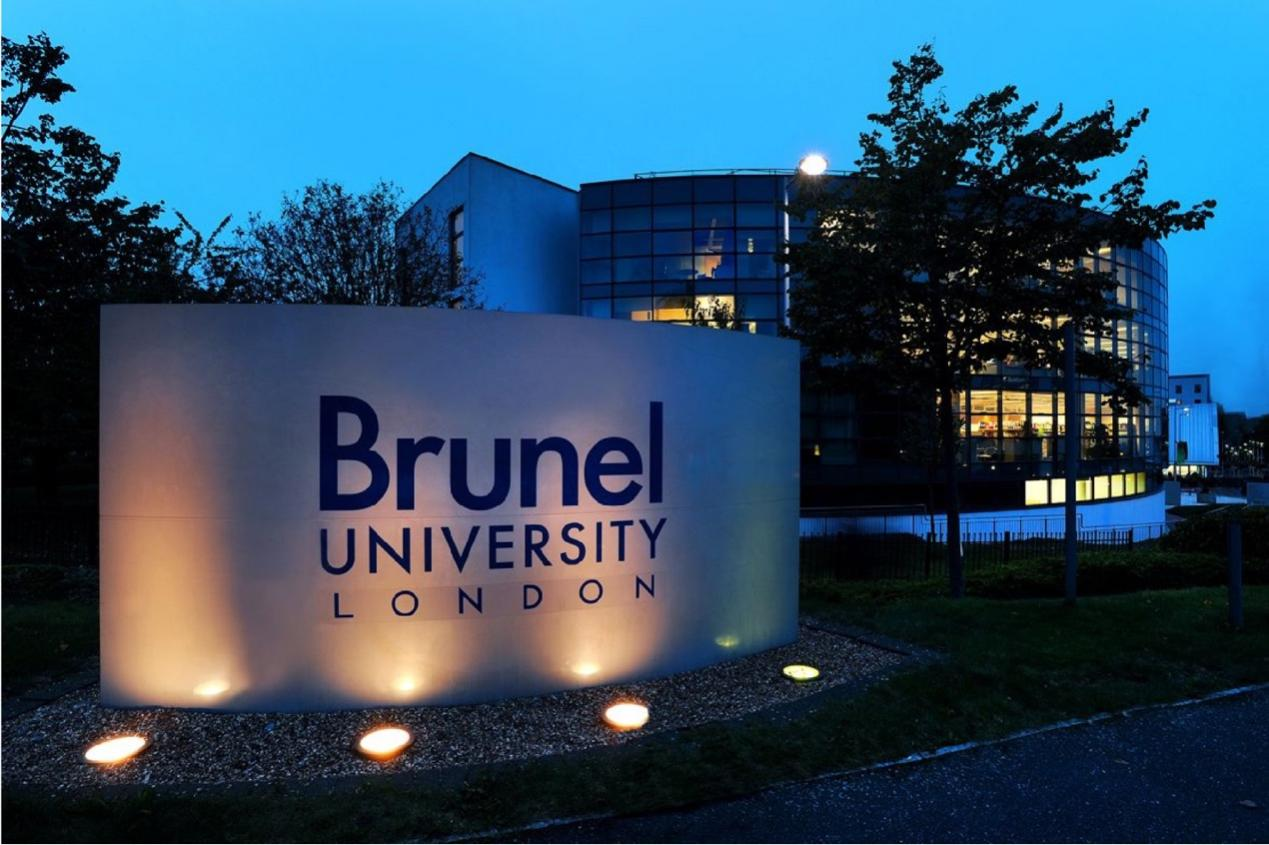 Workshop | Up-Cycling of Various Waste Streams
into High Value and High Performing Products:
Towards Sustainable DevelopmentLONDON, UK AUGUST 29, 2023
Workshop Title:
Up-Cycling of Various Waste Streams into High Value and High Performing Products: Towards Sustainable Development
Date:
August 29th, 2023 (GMT+1)
Organizer:
Department of Civil & Environmental Engineering, Brunel University London
Keywords:
- Waste management
- Construction and demolition waste
- Municipal solid waste
- Agricultural waste
- Bio-based materials
- Compressed strawboards
Workshop Chair:
Personal Bio:
Dr. Seyed Ghaffar is a Chartered Civil Engineer (CEng, MICE), a Member of the Institute of Concrete Technology (MICT) and a Fellow of the Higher Education Academy (FHEA). He leads the 'Construction Waste Management and Valorisation (WasteValue)' research group with the aim to study the feasibility of circular economy (cradle-to-cradle), management of waste and development of environmentally-friendly construction materials/products. Dr. Ghaffar's research covers a number of construction materials, with a focus on the development of low-carbon technologies suitable for new and retrofitting applications by combining materials sciences and innovative technologies. He has been the PI or Co-I of ~£6M on 8 grants from EPSRC, British Council, and the EU H2020. Dr. Ghaffar is the Executive Editor of the Journal of Results in Engineering (Elsevier). He recently edited a book titled "Innovation in construction - A Practical Guide to Transforming the Construction Industry".
Workshop Committee Members:
Mr. Eslam Elseidy, Brunel University London, eslam.elseidy@brunel.ac.uk
Mr. Yazeed Al-Noaimat, Brunel University London, eslam.elseidy@brunel.ac.uk
Workshop Description:
Background:
Resource scarcity and depletion of natural resources are challenges that put a lot of pressure on industries such as construction. In the built environment sector, there are huge quantities of waste generated during construction and refurbishment, and/or demolition. This already is a pressing challenge. Waste can be valorised and reused for the remanufacturing of products for new projects. This will contribute to the preservation of natural resources, for example, natural aggregates for the production of concrete. Instead, recycled plastics, tire rubber, brick waste, etc., can be used to replace natural aggregates in concrete. However, the issue is their overall technical performance and service life.
Goal / Rationale:
Available resources for the infrastructure development in the built environment are vital and research should be carried out systematically to enable improve the technical specifications and durability performances of products that are made from alternative sources, i.e., end-of-life products such as waste bricks, concrete, plastics, tire rubber and glass. Recourse scarcity is going to be a big issue and therefore having secondary raw materials that can technical outperform or perform the same as primary raw materials is of outmost importance.
Scope and Information for Participants:
The emergence of circular construction and the importance of waste management is at forefront of industrial stakeholders and the governments. Circular construction and the 4R framework of Reduce, Reuse, Recycle and Recover in the waste management field provide some hope to combat some of the global challenges such as climate change, resource scarcity and global warming.
Highlights:
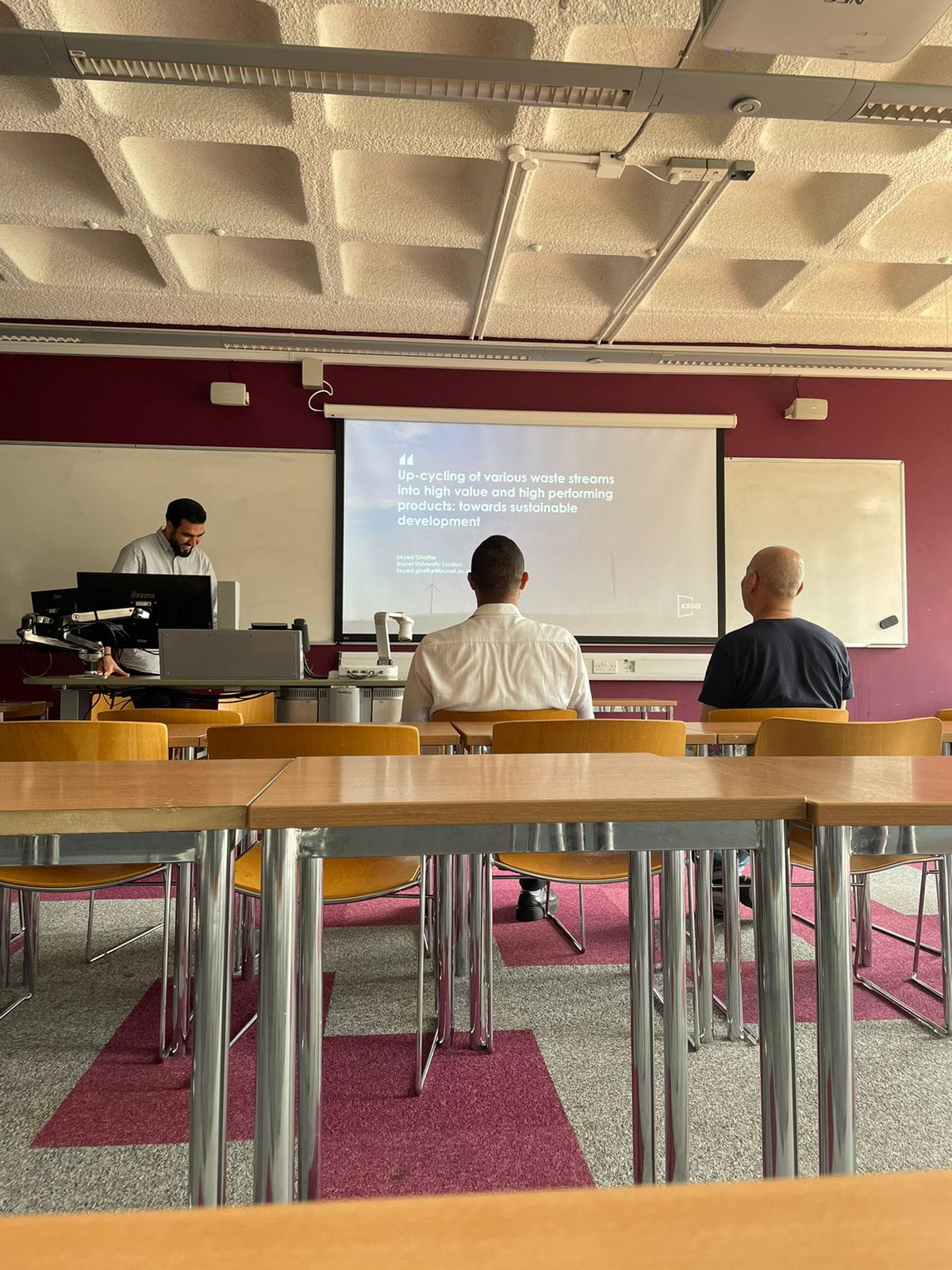
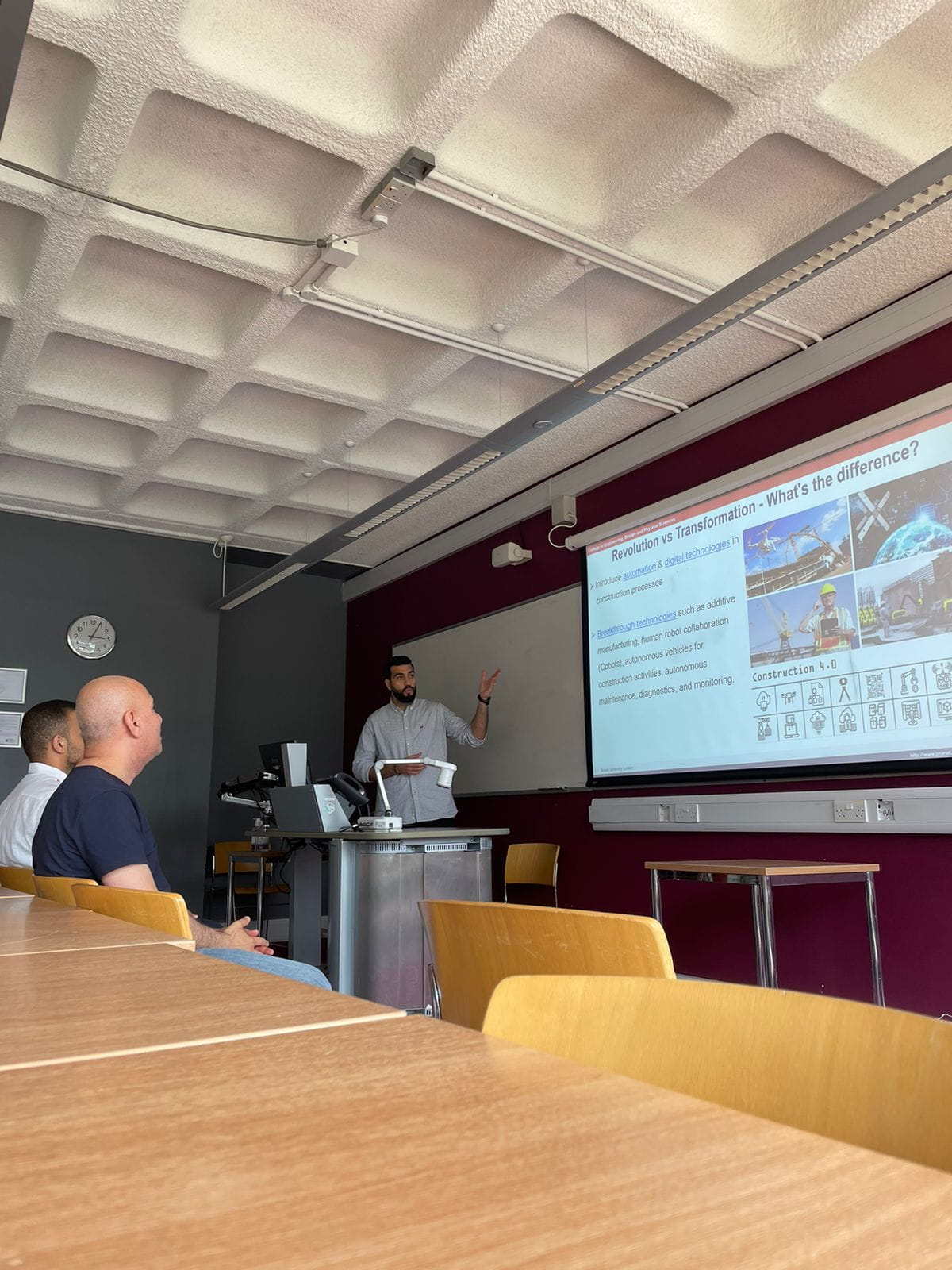
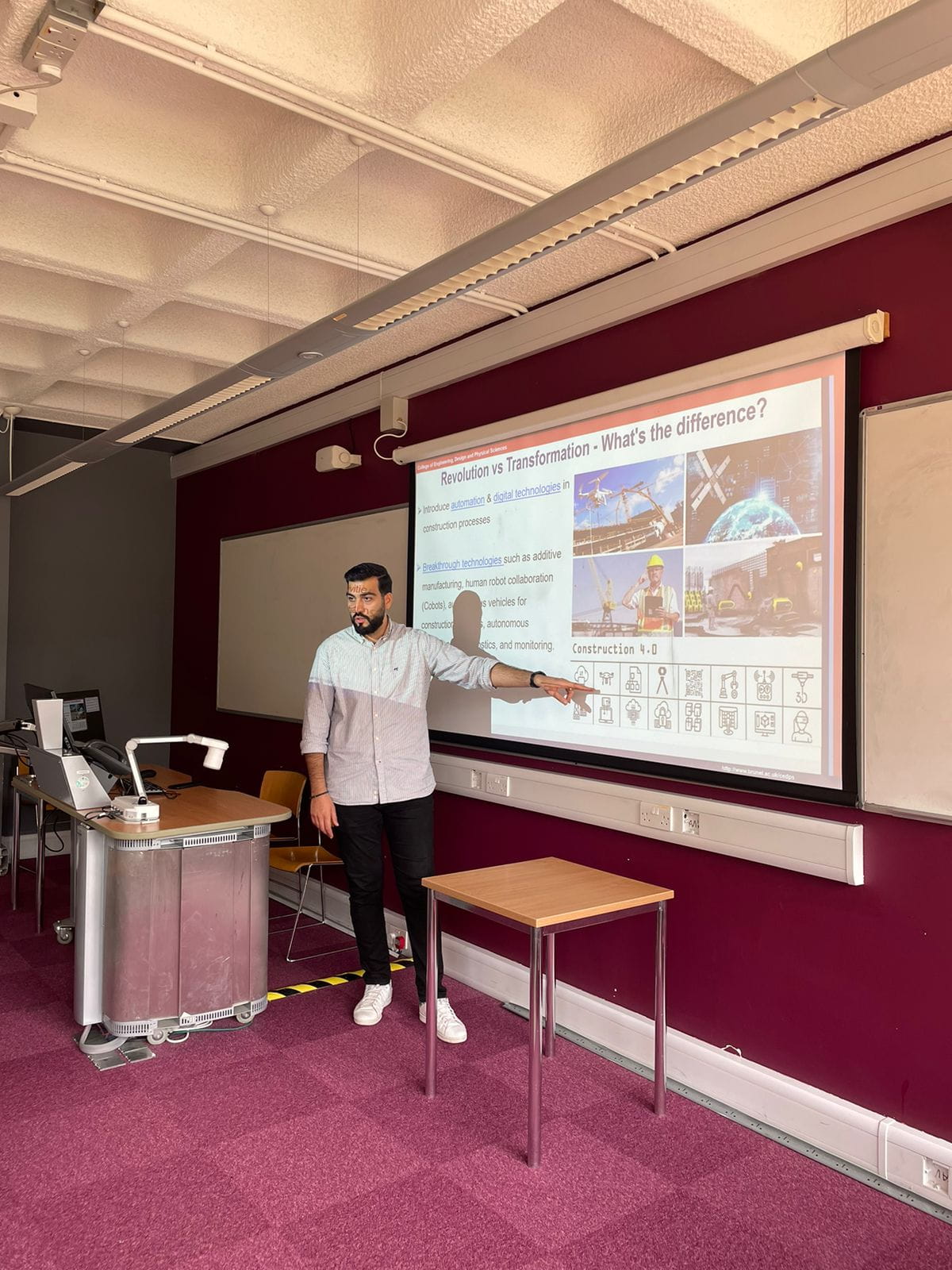
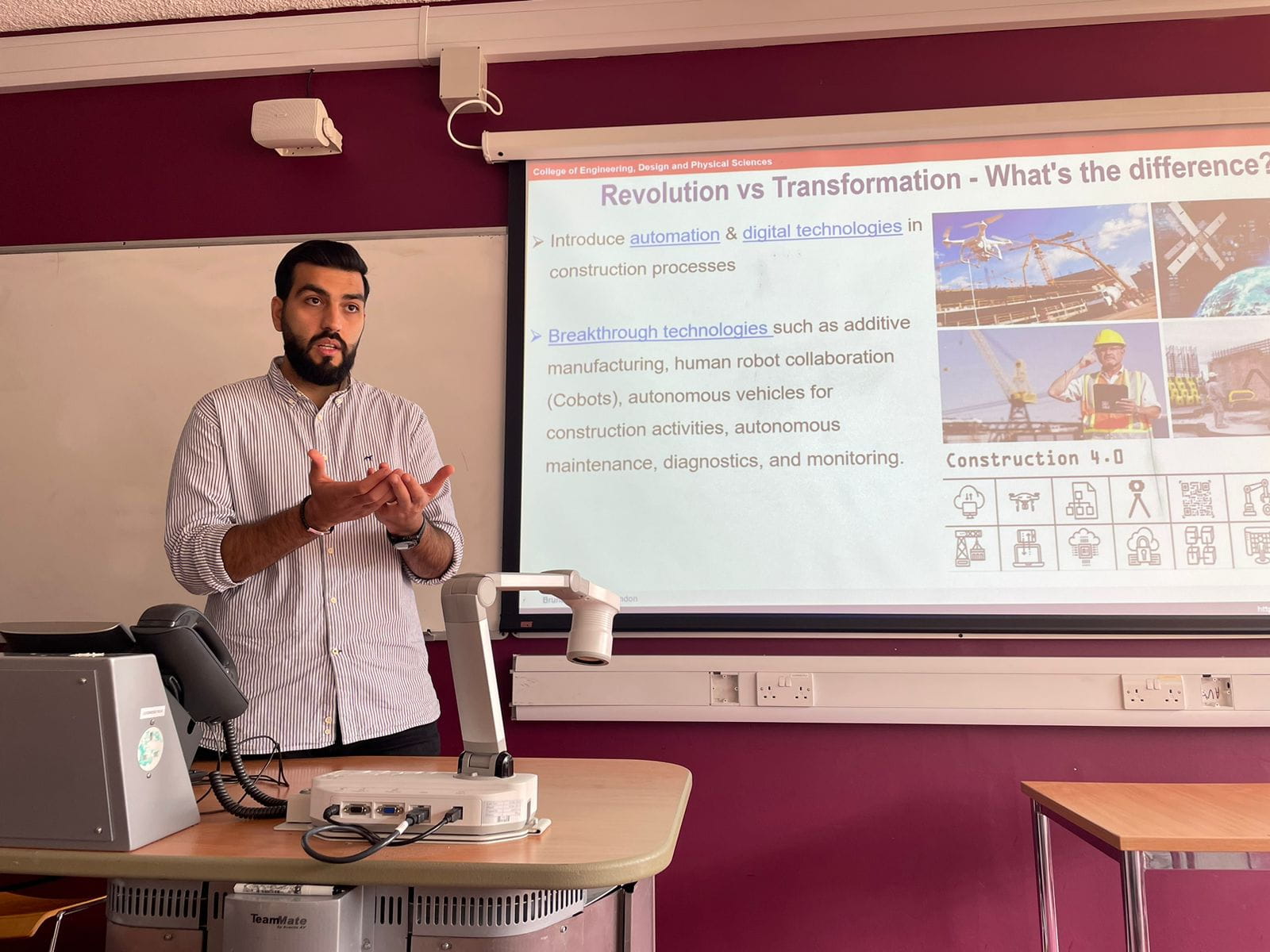
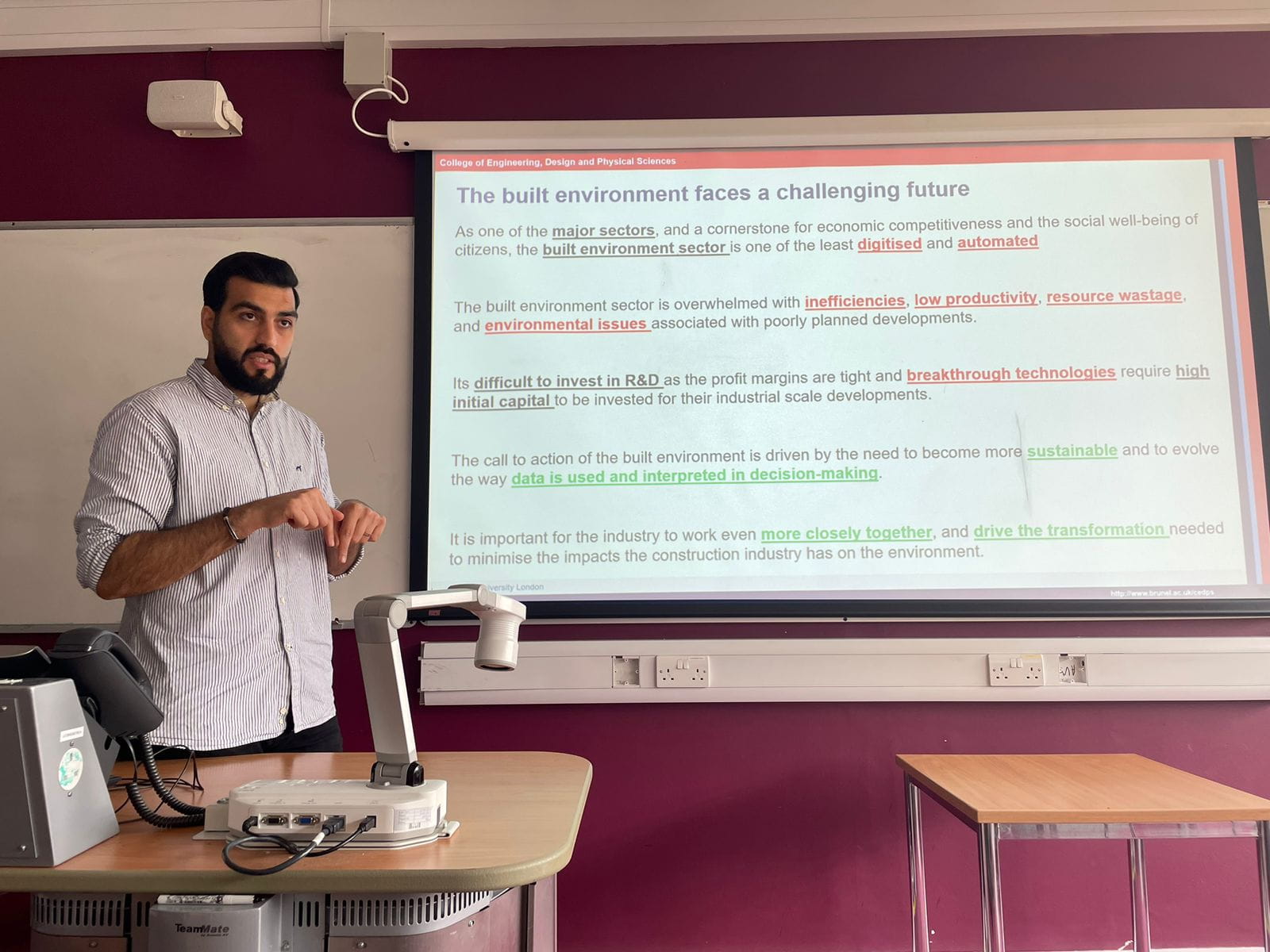
The workshop started with an introduction given by the Chair brief introduction to the topic. The workshop was being recorded and the attendees were allowed to ask questions during the presentation. The outline of the workshop was the following:
- Transformation of the construction industry
- Introduction to waste management
- Construction and demolition waste
- Pathways to circular construction
The topic of the workshop was of interest to the attendees as reflected by their questions during the workshop. The main points and key takeaway point of the workshop was about the need for creative ideas and thinking outside of the box to solve and combat the global challenges which the built environment is facing. Circular construction and the use of innovative technologies and ICT are the most promising tools for achieving sustainability in the built environment.
Access to Workshop:
ICEGEE 2023 Workshop -- London - YouTube
Venue:
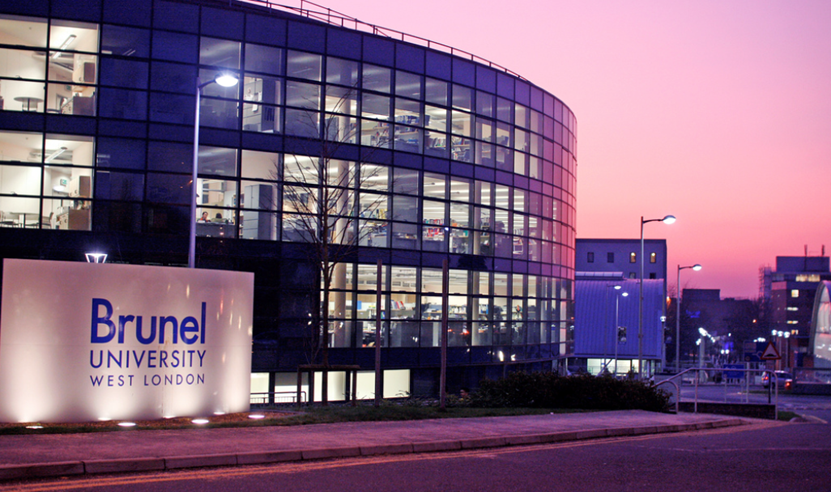
Brunel University London, Kingston Ln, London, Uxbridge UB8 3PH, UK
VISA:
Welcome to GOV.UK (www.gov.uk)In order to ensure the information is correct and up to date, there may be changes which we are not aware of. And different countries have different rules for the visa application. It is always a good idea to check the latest regulations in your country. This page just gives some general information of the visa application.
UK Visa Information
What you need to do
- Check if what you plan to do in the UK is allowed as a Standard Visitor.
- Check you meet the eligibility requirements.
- Check if you need to apply for a visa to visit the UK.
- Apply for a Standard Visitor visa online - if you need one.
Check you meet the eligibility requirements
You must have a passport or travel document to enter the UK. It should be valid for the
whole of your stay.
You must be able to show that:
- you'll leave the UK at the end of your visit
- you're able to support yourself and your dependants during your trip (or have funding from someone else to support you)
- you're able to pay for your return or onward journey (or have funding from someone else to pay for the journey)
- you'll not live in the UK for extended periods through frequent or successive visits, or make the UK your main home
Check if you need a visa to visit the UK
Depending on your nationality, you'll either:
- have to apply for a Standard Visitor visa before you travel to the UK
- be able to visit the UK for up to 6 months without needing a visa
You can check if you need a visa before you apply.
If you do not need a visa, you must still meet the Standard Visitor eligibility requirements
to visit the UK. You may be asked questions at the UK border about your eligibility and the
activities you plan to do.