-
 Workshop | The Complex Relationship between
Economic Growth and Environmental QualityGALATI, ROMANIA MAY 31, 2023
Workshop Title:
The Complex Relationship between Economic Growth and Environmental Quality
Date:
May 31st, 2023 (GMT+3)
Organizer:
Danubius University of Galaţi
Keywords:
- Economic Development
- Climate Change
- Green Policy
- Environmental Degradation
- Environmental Quality
Workshop Chair:
Personal Bio:
Florian Marcel Nuţă is a Professor Dr. Habil. at Danubius University from Galaţi, with over 17 years of teaching and research experience. He is affiliated with Ştefan cel Mare University of Suceava, Doctoral School of Social and Human Sciences, for research and doctoral supervision. His scientific research is conducted in the following fields: Environmental Accounting, Climate Change Economics, Energy Economics, Urban Environmental Accounting, Carbon Accounting, Green Taxation, and Public Policy.
He is involved in numerous editorial initiatives as editor-in-chief, editor, member of the international scientific board, and reviewer for scientific journals and international conferences, conducting more than 500 peer-reviews during his academic career.
Dr. Nuţă worked as a reviewer for Renewable & Sustainable Energy Reviews, Energy Efficiency, Resources Policy, Sustainable Energy Technologies and Assessments, Economic Research, Journal of Entrepreneurship in Emerging Countries, Cogent Business and Management, and other peer-reviewed scientific journals.
Workshop Description:
Background:
Climate change is a tremendous challenge for our generation and future development. Policymakers worldwide are adjusting their development options to fit sustainability goals and ensure steady economic growth. Research findings have linked the economic growth with the energy consumption. To mitigate the environmental degradation and to keep the economic activity running, decision makers developed policies and strategies to phase-out fossil fuels and change the energy mix. Renewable energy has gained significant attention as a sustainable alternative to traditional fossil fuels, which have been associated with negative environmental impacts. Developing and emerging countries are vulnerable as they need to recover systemic as well as social and institutional development gaps and also invest in developing technological innovation for renewable sources of energy. The workshop will examine critical topics related to these economic development challenges for ensuring environmental quality, and debate the policy recommendations.
Goal / Rationale:
The debates will be conducted to highlight the major challenges for various stakeholders, from business agents to civil society and from decision-makers to academia in the context of energy transition. The energy mix that will ensure a steady economic growth should be based on a larger contribution from renewable sources in order to improve the environmental quality. The use of renewable energy has been found to have positive effects on environmental quality, including reduced greenhouse gas emissions and air pollution. The awareness of climate issues and energy transition is vital for building support for environmentally responsible public policies and improving environmental quality. The workshop will build this awareness and stir the attention of academic peers for topics such as carbon-free economic development, ecological environment quality, climate change resilience, environmental degradation mitigation, renewable energy, and energy efficiency. At the end of it, we can answer critical questions and address policy recommendations.
Scope and Information for Participants:
Besides targeting to increase awareness on topics related to climate change and economic challenges, the workshop seeks to involve the participants in understanding the environmental-related components of public policy design. The workshop participants are welcome to involve in topics such as climate change resilience, carbon-free economic development, ecological environment quality, renewable energy, energy efficiency, environmental degradation mitigation, environmental protection policies, green economic growth patterns, green transition for all, environmental-related poverty and inequalities, and other related subjects. The central point revolves around the environmental issues mitigation challenges for economic policy.
The workshop format will favor debates, creating the premises for future research ideas development.
Highlights:
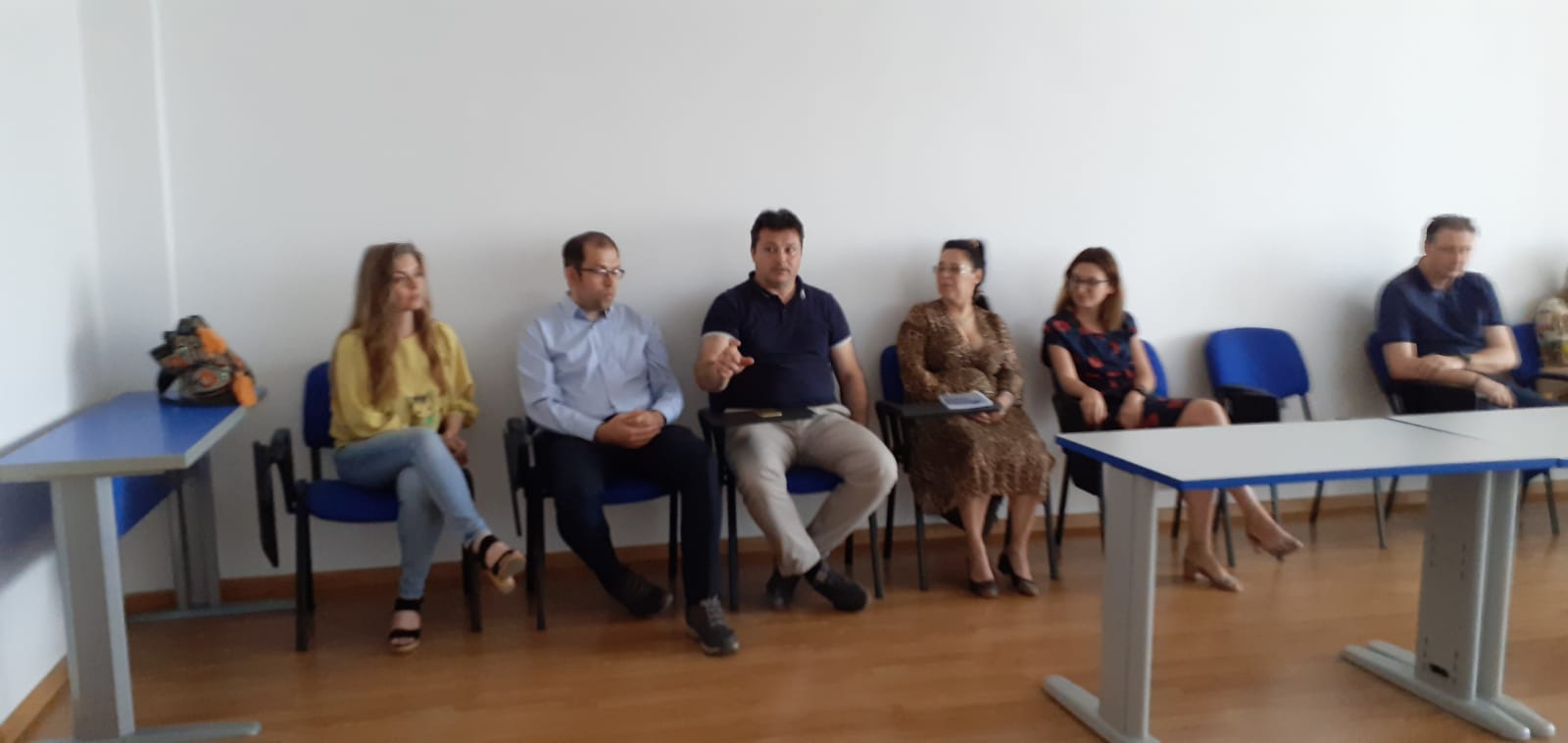
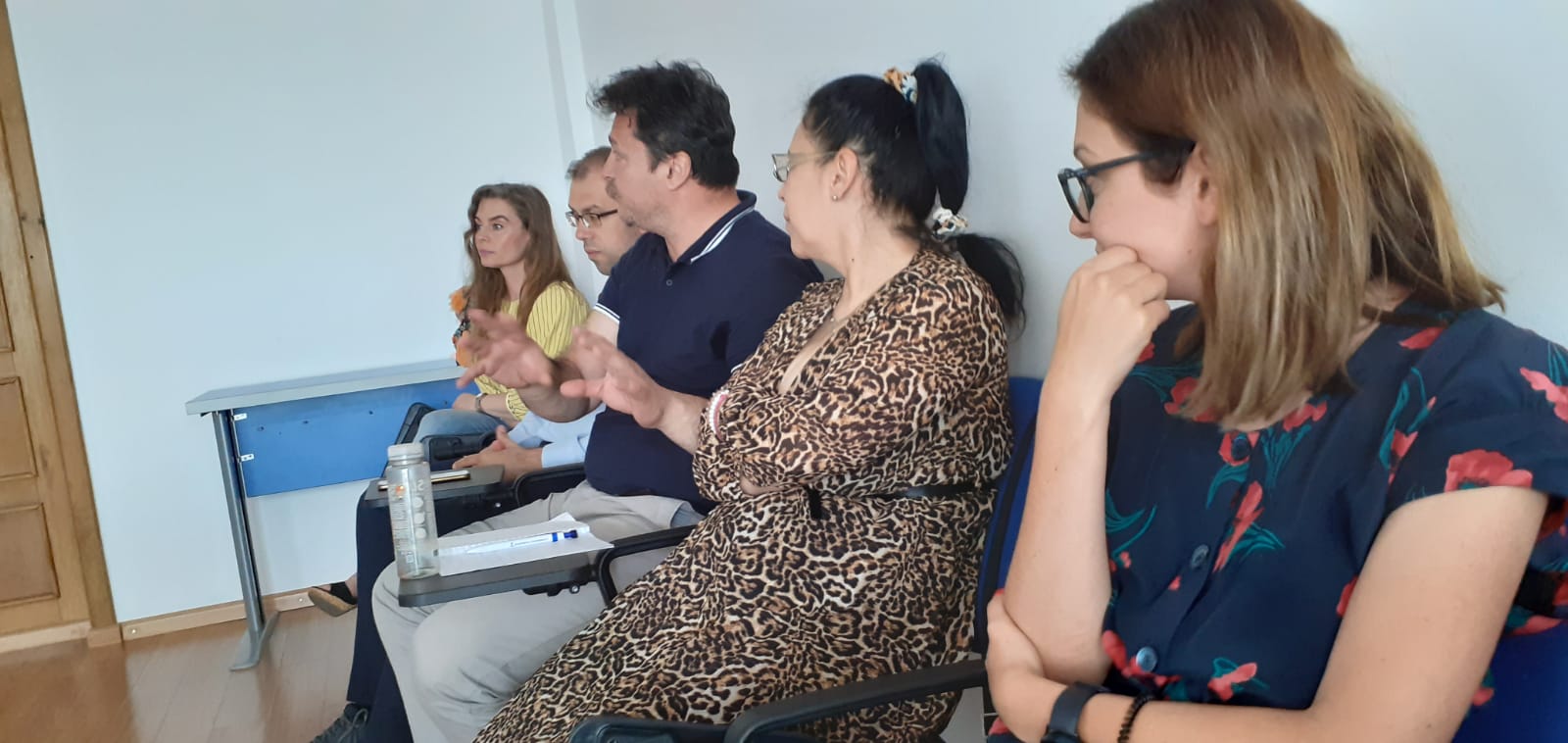
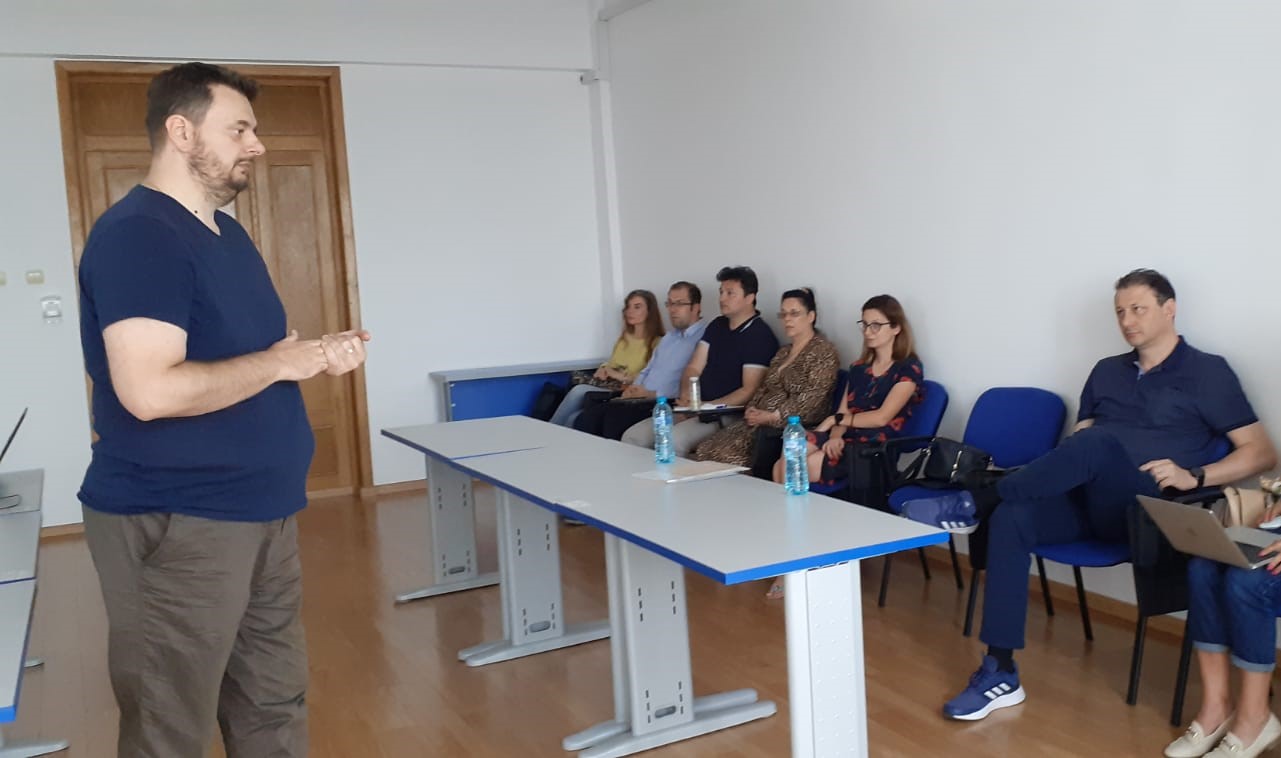
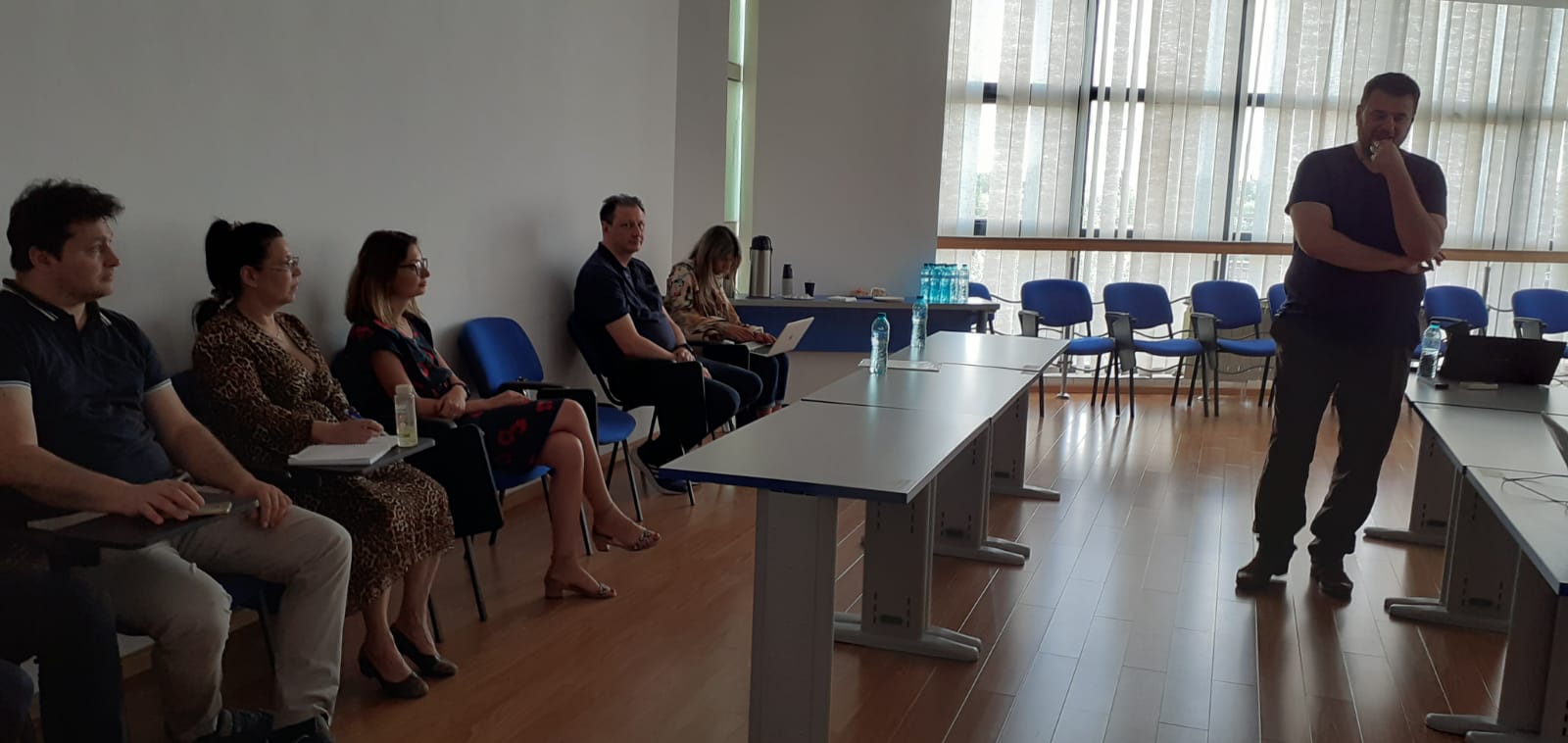
The event took place as planned, May 31 at the premises of Danubius University, with the participation of students and faculty.
The main presentation entitled Economic and social features influencing the environmental quality, opened the discussions and launched the debates among participants. The participants involved freely in debates starting from the topics covered by the main speaker. There were three major directions for debates:
a. The difference between "Economic growth" and "Economic development" - starting from the trends in scholarly studies that discuss the replacing of the traditional way of describing economic activity evolution (GDP, economic output, etc.) with more elaborate variables for covering more features, such as economic complexity indexes, the participants agreed that growth is outdated in terms of covering other aspects beside the pure economic output. For incorporating other elements, such as social and environmental welfare, there is a need for more inclusive indicators, and economic complexity may be useful;
b. The transition towards carbon-free energy is a complex path - as renewable energy sources are identified as critical for mitigating carbon emissions, finding the proper policies for expanding the usage of such sources is a key factor for curbing the climate change. However, phasing-out the traditional fossil fuels is not an over-night process. As such, an energy mix is an important part of the path, including increasing energy efficiency. Innovation and new technologies were identified as policy instruments for new green development patterns.
c. Green transition for all - there are countries and social categories more affected by climate change effects and climate change mitigation than others. Developing and emerging economies are struggling more as they have other critical issues to solve on the way, such as unemployment, social inequalities, and structural gaps. Similar, there are social categories more affected by climate change and need more attention from the decision makers.
There were 14 registered participants and 9 participants present in person in the meeting room.
The general agreement was that climate change is affected by various human-induced features and needs to be addressed on the same level of priority like other challenges such as unemployment or poverty. Climate change is affecting differently various types of national economies and different categories of people creating more inequalities and social unrest. The participants will gladly involve in other events like this one and declared that their own awareness in terms of climate change issues increased.
Venue:
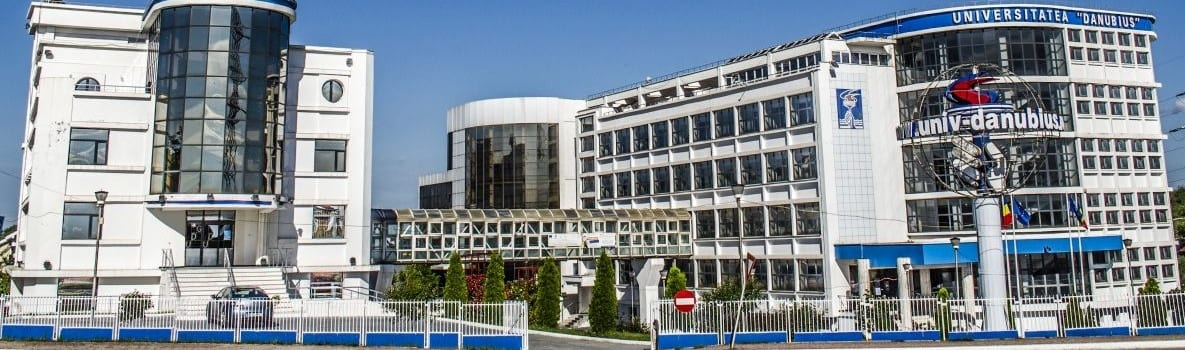
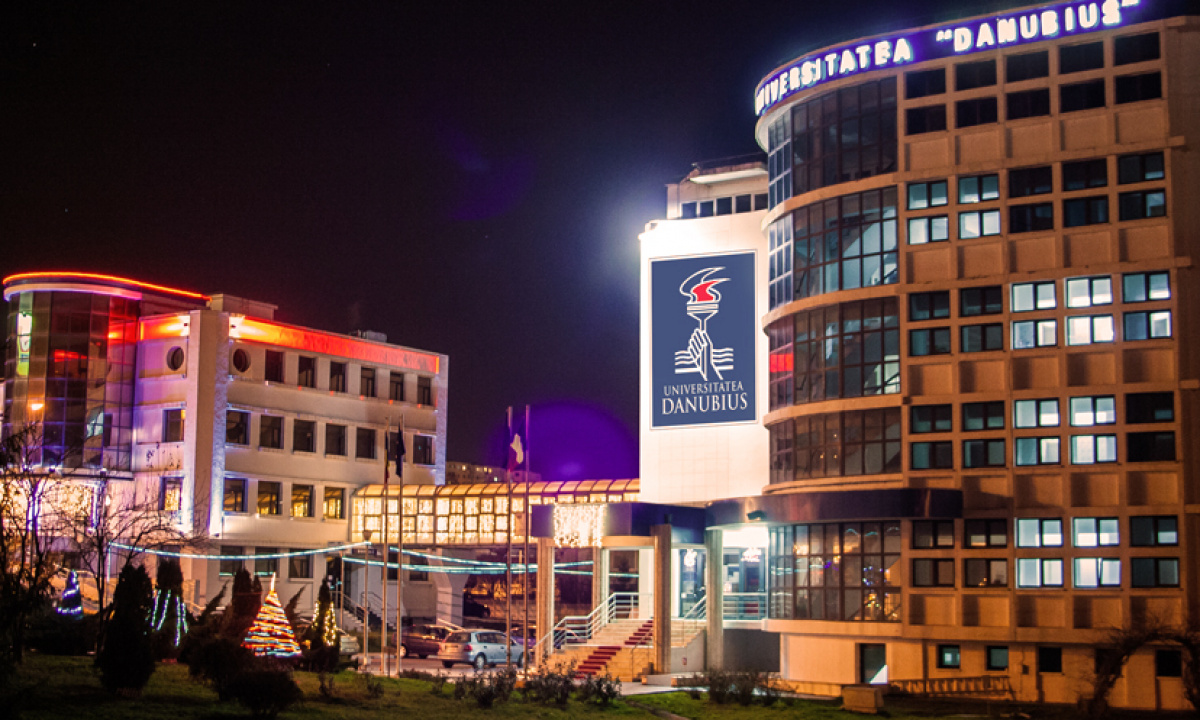
Faculty of Economics and Business Administration, Danubius University from Galati, Bulevardul Galati 3, Galati 800654, Romania
Visa:
Acasa (mae.ro)
Officials who hold diplomatic, service and official passports, as well as their family members, who travel to Romania for official purposes, can directly contact the chosen diplomatic mission/consular post of Romania. The contact details of the diplomatic missions and consular posts of Romania can be consulted here.
It is highly recommended that visa applications be lodged at least 2 weeks before the estimated date of departure and not more than 3 months before that date. The date from which the period of taking a decision upon a visa application is the date when the visa applicant presents oneself at the diplomatic mission/consular post of Romania.
Before you begin
In order to be able to apply online you must:
- Have a valid e-mail address
- Use a computer which fulfills certain technical requirements. For further information see About the E-VIZA portal.
- Have the possibility of uploading the required supporting documents.
If you wish to print or save a copy of your application you must have access to Acrobat Reader or other similar .pdf readers.
Attachments
It is advisable that your supporting documents be translated into Romanian or English by an authorized translator. All documents you submit must be legible. All attached documents must be presented in original and copy when you visit the Romanian diplomatic mission / consular post.
- Each document must not exceed 2 Megabytes (2 MB).
- Only Latin characters are allowed in the filename.
- We accept files in the following formats: jpeg, jpg, tif, png, bmp, txt, rtf or pdf.
How it works
The visa application consists of a number of fields which you have to fill in. Note that you cannot use the "back" and "forward" buttons from your browser (e.g., Internet Explorer). Use only the buttons in the electronic form to move forward and backward between pages.
Visa applications can be lodged only individually. In case more people travel together, each person must apply for an individual visa. In addition, please note that individual visa applications must be lodged for people included in the same travel document (e.g.: underage children included in the parents' travel documents).
If you started registering an electronic application file it is possible to interrupt the application process and save it. You can resume the registration and continue filling in the application at a later stage. An application saved temporarily is stored for 30 days.
When your visa application is decided upon, you will receive a notification by e-mail to the address you supplied when you started your application.